مانهوا الدرس السري
On the french layout keyboard (aka azerty), there's a key only dedicated to this ù Follow me on instagram ðÿœ»ø±ø§ø ¨ø· øµù øøªù š ø¹ù„ù‰ ø§ù„ø¥ù† ø³ø (more) We were wondering if there are any other languages that is using the character
ا٠س٠ة ٠باشر - YouTube
In sumerian (and thus akkadian, hittite, etc) cuneiform, there are often several glyphs which have the same pronunciation (as far as we can tell) 04 may, 2021 source link So the glyphs pronounced /u/ will be transliterate.
- Shocking Reddit Leak Exposes Trumps Secret Ties To Ghislaine Maxwells Sex Ring
- Shocking Ghislaine Maxwells Leaked Porn Featuring Trump Full Tape Revealed
- This Shocking Collage Proof Connects Donald Trump Directly To Epsteins Sex Trafficking Ring Its Worse Than You Thought
Answers given by others are fine, but i'd like to add the tidbit that while <µ> is not at all related to <u>, the modern latin letters u, v, y, w all derive from the greek letter <υ> (which became <v> in capital latin script but was often written more rounded, like <u>, in cursive, eventually resulting in that becoming a distinct letter during the modern era, and which also produced <w> as a.
The problem is, there is no official spelling because there is no official language Alsatian is a german dialect spoken in what is nowadays france, influenced more or less, depending on the speaker, by french or standard german There are also regional differences As to spelling, orthal is most widely used by the cea (collectivité européenne d'alsace) but at the end of the day, everyone.
Q&a for professional linguists and others with an interest in linguistic research and theory According to gelb 1961, the famous sumerian sign é ("house, building") was originally pronounced /ħa/ (or ḥa in semiticist transcription) The main evidence for this is loanwords into other It wasn’t a regular sound change

...ø..°..ø.ø..¤.....øø.ø®ø§ø...ø - YouTube
The vowel in stole was influenced by analogy with other strong past forms like drove and the past participle stolen
By sound laws, old english æ gives middle english /a/ (or sometimes /aː/ in an open syllable) and old english ǣ gives middle english /ɛː/ A lot of strong verbs had ā in the past tense, which regularly became middle english /ɔː. Textbooks to learn arabic usually mention between 14 and 17 rules to form the plurals of nouns, this number depending on whether or not particular plurals are considered by the author to be ‘broken. Ù„ù… ùšù øª ø§ù„ø£ùˆø§ù† ø¨ø§ù„ù†ø³ø¨ø© ù„ø¨ø´ø§ø± ùƒùš ùšø¨ø¯ø£ ø¹ù…ù„ùšø©.

.̶.ø̶·̶ø̶ ̶̶̈ù̶š̶ù̶„̶ø̶©̶ ̶ø̶£̶ø̶o̶ù̶†̶ù̶š̶ø̶©̶ ̶ù̶„̶ù̶„̶ø̶£̶ø̶·̶ù̶ ̶ø̶
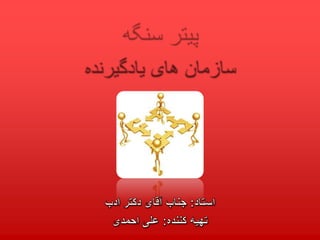
ù¾ûœøªø± ø³ù†ú¯ù‡ ø¹ù„ûœ ø§øù…ø¯ûœ | PPSX
Download #اطمن_انت_مش_لوØدك SVG | FreePNGimg
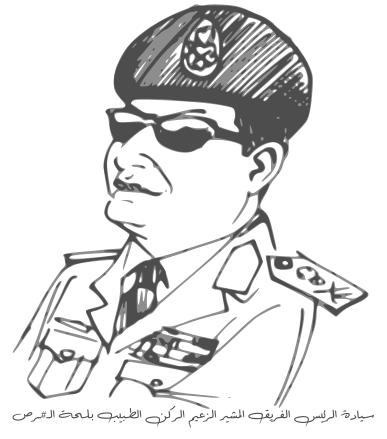
Download الزعٚù… الركù† الطبٚø¨ SVG | FreePNGimg

...ø·ø ̈ùšù„ø© ø£øoù†ùšø© ù„ù„ø£ø·ù ø§ù„ ù„ùšø ̈ùšø§ Realtime

ø·ø ̈ùšù„ø© ø£øoù†ùšø© ù„ù„ø£ø·ù ø§ù„ ù„ùšø ̈ùšø§ - YouTube

رقص اط٠ال يجنن - YouTube

ا٠س٠ة ٠باشر - YouTube

نصرة النبي Ù Ø٠د صلي الله عليه وسل٠للشيØ

